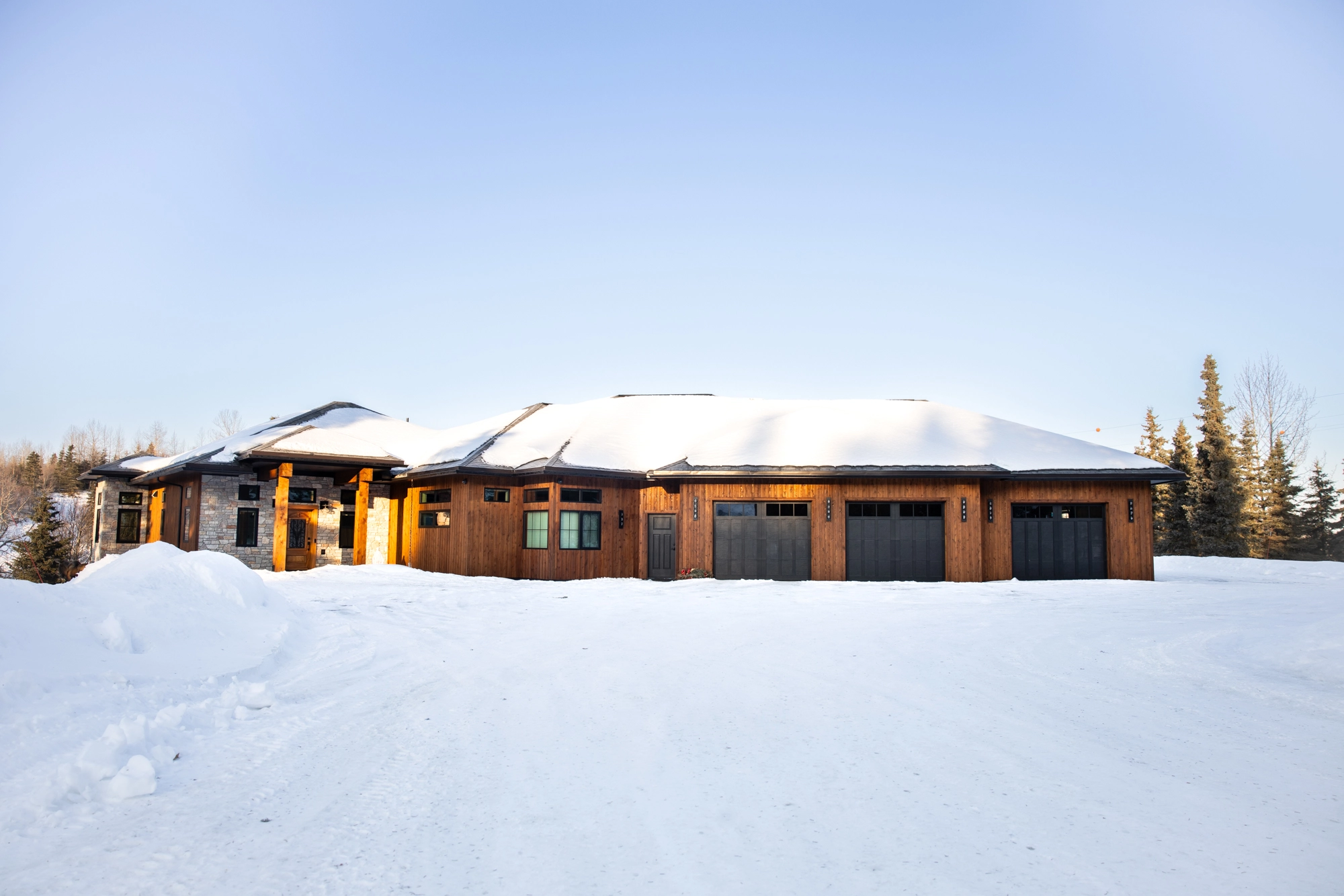
The Trap of the 5-Minute Square-Foot Guess
Anyone can throw out a fast number like '$250/sq ft' over the phone. But in Alaska, that number means nothing without knowing your soil bearing capacity, excavation slope, septic requirements, electrical utility runs, and finish selections. Fast numbers lead to surprise change orders halfway through framing.
What Actually Goes Into a Responsible Estimate
A bankable bid requires 20 to 40 hours of real work. We coordinate with local excavation contractors, concrete suppliers, electricians, plumbers, and roofers. We verify freight lead times and lumber package quotes so your budget reflects actual locked-in costs rather than wishful thinking.
Allowances vs. Specified Material Selections
Many contractors use unrealistically low allowance buffers ($2/sq ft flooring, generic lighting) to make a bid look artificially attractive. We walk through your finish preferences early so your contract reflects what you actually want installed, eliminating budget surprises.
The Value of Deep Pre-Construction Planning
Investing time and effort into pre-construction planning prevents budget blowouts. When a bid takes time, it's because your builder is doing the hard work before you sign a contract—not after your ground is torn up and your foundation is poured.
Have Questions About This Topic?
Shane and Stormie Hines can help analyze your property, check septic layouts, or review construction plans. Let's start the conversation.
Discuss Your Plan With Shane & StormiePlanning Checklist
- ✓ Demand line-item clarity over blanket square-foot estimates
- ✓ Confirm realistic allowances for cabinets, flooring, and mechanicals
- ✓ Verify subcontractor quote commitments before breaking ground
- ✓ Ensure winter heating and site excavation contingencies are accounted for